
From the Organist & Choirmaster
This Sunday’s organ voluntaries span two rich and contrasting worlds of sacred music": the pastoral warmth of early 20th-century England and the grandeur of the French Baroque court. Though separated by centuries and style, both composers share a deep sensitivity to the liturgical and spiritual life of the Church.
Ralph Vaughan Williams (1872-1958) | Rhosymedre (from Three Preludes on Welsh Hymn Tunes)
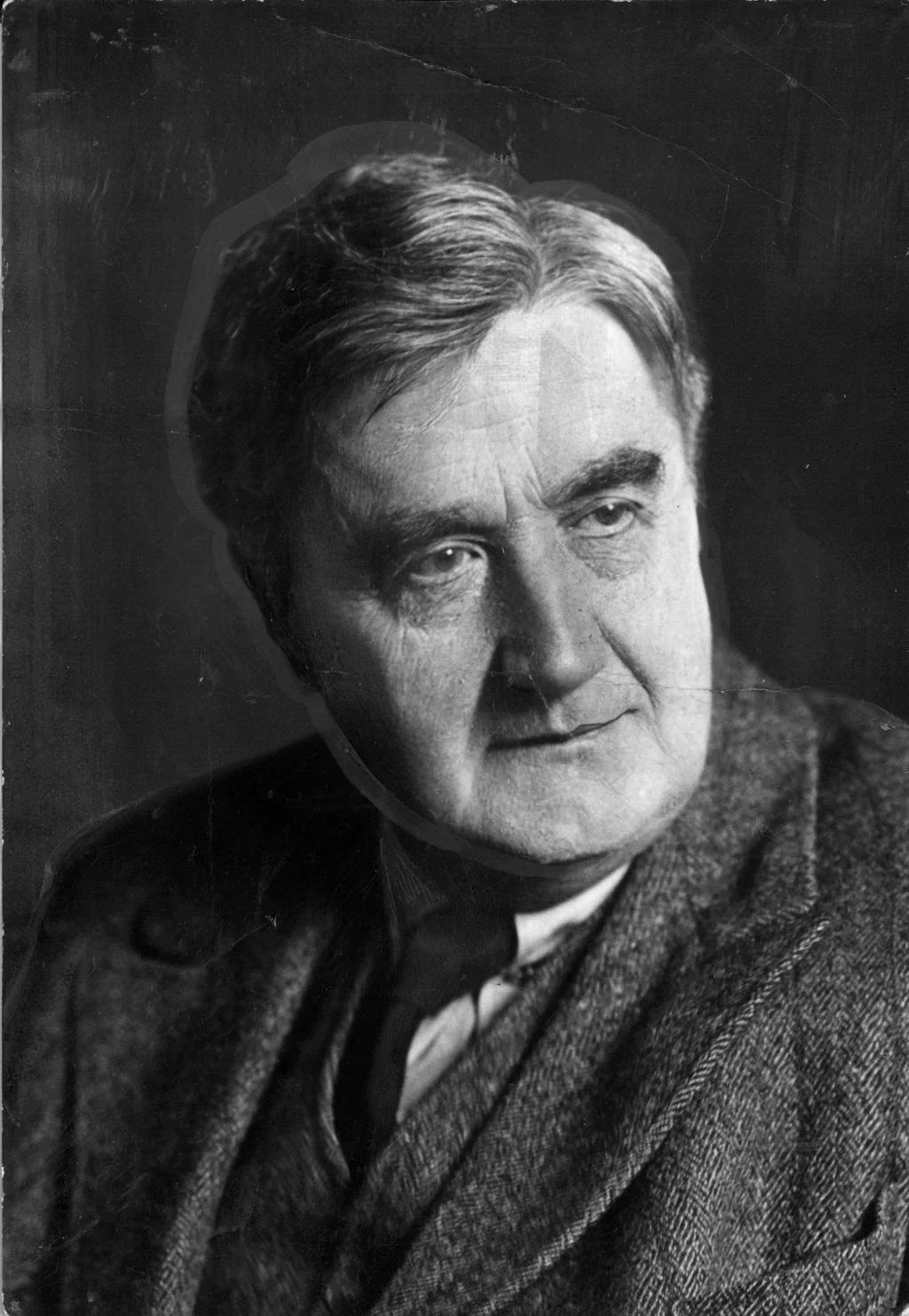
Vaughan Williams in 1947
Ralph Vaughan Williams remains one of the most beloved composers of English sacred and choral music. Deeply influenced by Anglican tradition, English folk song, and modal harmony, his music often evokes a sense of spaciousness and quiet devotion. Rhosymedre, a Welsh hymn tune, is presented here in a gentle flowing organ prelude. Unlike more elaborate or virtuosic voluntaries, this piece invited stillness. Vaughan Williams allows the melody to sing clearly and naturally, supported by warm, consonant harmonies that unfold with an almost pastoral calm. There is a humility to it, a sense that the music does not strive to impress, but rather pray. Its serene character makes it especially fitting as a prelude or meditation, gently preparing the soul for the Mass.
François Couperin (1668-1733) | Dialogue sur les Grands Jeux (From the French Classical Organ Mass)
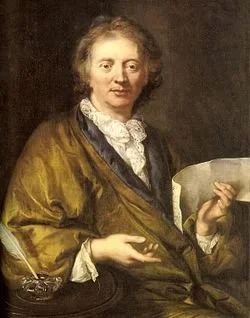
Couperin captured in oil on canvas (1715)
In striking contrast, the music of François Couperin transports us to the splendor of the French Baroque. Known as “Couperin le Grand” he served as organist at the Church of Saint Gervais in Paris and was also a court musician for Lois XIV. The Dialogue sure les Grands Jeux is drawn from his organ masses - collections of pieces intended to alternate with the sung portions of the liturgy. The “Grands Jeux” refers to the powerful reed stops of the French classical organ (trumpets, cromhornes, and cornets), producing a brilliant and festive sound. This piece is structured as a musical “dialogue,” contrasting different groups of sounds and textures across the organ. The effect is both theatrical and ceremonial, embodying the grandeur of worship in the French royal chapel. Where Vaughan Williams offers introspection, Couperin offers proclamation.